
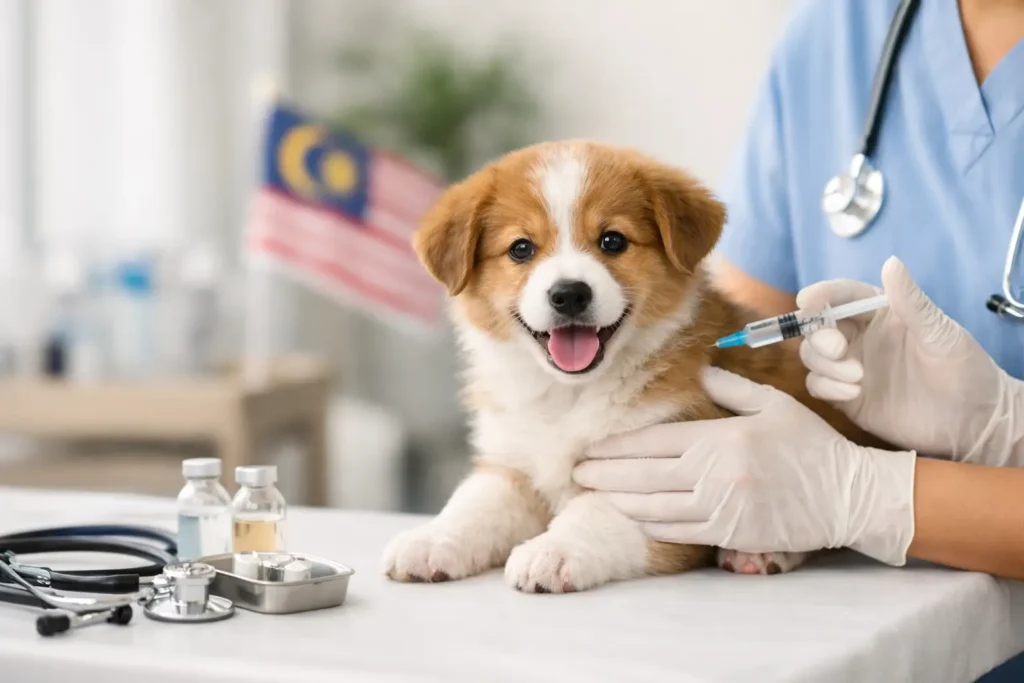
Bringing home a puppy is exciting until you realize how quickly the vet dates start stacking up. If you are searching for a puppy vaccination schedule Malaysia pet owners can actually follow without confusion, the key is to think in stages, not just single appointments. Your puppy’s first few months are when protection is built, and timing matters more than many first-time owners expect.
A healthy-looking puppy is not automatically a fully protected puppy. Even active, playful pups can still be vulnerable to serious infections such as parvovirus, distemper, and canine hepatitis. That is why a proper vaccination plan, backed by a vet and clear medical records, is one of the most important parts of responsible puppy care.
Why the puppy vaccination schedule in Malaysia matters
Malaysia’s warm, humid climate and active pet communities mean puppies can come into contact with viruses more easily than many owners assume. Shared spaces, grooming visits, boarding environments, training classes, and even contact with contaminated shoes or surfaces can expose a young dog before its immune system is ready.
The biggest mistake new owners make is assuming one vaccine is enough. In reality, puppies need a series of vaccinations because early maternal antibodies can interfere with how well a vaccine works. Those antibodies are helpful at first, but they also make timing tricky. That is why vets use a schedule with repeated doses over several weeks.
This is also why documentation matters. If a seller says a puppy is vaccinated, you should be able to see the vaccine card, dates, product details, and the vet or clinic record. Clear records protect both the puppy and the new family.
Typical puppy vaccination schedule Malaysia owners can expect
Most vets in Malaysia follow a similar core schedule, although exact timing can vary slightly depending on the puppy’s age, breed, health status, and previous vaccine history. A common starting point is around 6 to 8 weeks old, followed by repeat vaccinations every 3 to 4 weeks until about 16 weeks of age.
6 to 8 weeks
This is often the first puppy vaccination visit. Many puppies receive an initial core vaccine that helps protect against distemper, parvovirus, and adenovirus or hepatitis. Some clinics may use combination vaccines from the start.
At this stage, your puppy is still very vulnerable. Even if the first shot has been given, it does not mean your puppy can safely mix with unknown dogs or visit high-risk public areas yet.
9 to 12 weeks
The second round usually builds on the first. Your vet may continue the core combination vaccine and, depending on the clinic’s protocol and your puppy’s lifestyle risk, may introduce other protection such as parainfluenza or leptospirosis.
This is also a common time for deworming review, weight checks, and general health monitoring. Vaccination visits are not just about injections. They are a chance to spot early issues with digestion, skin, growth, or behavior.
12 to 16 weeks
This is often the final puppy series dose. The goal is to give protection at a time when maternal antibodies have dropped enough for the vaccine to work well. Rabies may also be discussed depending on travel plans, legal requirements, or local veterinary recommendations.
For many puppies, full vaccine protection is not considered complete until this stage and after the waiting period advised by the vet. That waiting period is easy to overlook, but it matters.
Around 12 months
After the puppy series, a booster is usually due at about one year of age. After that, booster timing depends on the vaccine type, your vet’s recommendation, and your dog’s risk profile. Some are annual, while others may follow a longer interval.
What diseases these puppy vaccines usually cover
Most puppy vaccine programs in Malaysia focus first on core diseases because they are serious, contagious, and in some cases life-threatening.
Parvovirus is one of the most feared in young puppies because it can cause severe vomiting, diarrhea, dehydration, and rapid decline. Distemper can affect the respiratory, digestive, and nervous systems and may leave lasting damage even in survivors. Adenovirus, often grouped with hepatitis protection, can also be dangerous.
Non-core vaccines depend more on lifestyle. A puppy that will stay mostly at home has a different exposure risk from one that will attend daycare, grooming, boarding, pet-friendly cafes, or regular social activities. That does not mean one plan is better than the other. It means the right schedule should match real life.
Can a puppy go outside before all vaccines are done?
This is where owners often hear mixed advice. The honest answer is that it depends on the place and the level of exposure.
A puppy does need socialization early in life, but socialization should not mean free access to unknown dogs, public grass, or busy pet areas before the vaccine series is complete. Safer options include carrying your puppy in low-risk places, inviting vaccinated dogs from trusted homes for controlled introductions, and exposing your pup to sounds, surfaces, people, and gentle handling indoors.
The goal is balance. Overprotection can delay confidence and social development, but careless exposure can put a puppy at real medical risk.
What to ask before buying or bringing home a puppy
If you are choosing a puppy from a pet shop or breeder, vaccination records should never feel vague. You should know the puppy’s age, what vaccines have already been given, the exact dates, and when the next dose is due.
A trustworthy seller should also explain whether the puppy has been health-checked, dewormed, and seen by a veterinarian. If a puppy is sold too young or without proper records, the new owner often ends up dealing with preventable stress, missed vaccines, or uncertainty about what has already been done.
This is one reason many families prefer buying from a seller that provides documented health care and clear next steps. At Pet Time, for example, families often ask not just about breed and personality, but about vaccine records, follow-up timing, and how to prepare the home before the puppy arrives.
What if your puppy misses a vaccine date?
Missing a date by a few days does not always mean you need to start from zero, but you should not guess. Call your vet, share the previous vaccine dates, and let them decide how to continue.
The right answer depends on the puppy’s age, how many doses were already given, the product used, and how long the gap has been. This is one of those situations where internet advice can be misleading because vaccine schedules are not one-size-fits-all.
Common side effects after puppy vaccination
Most puppies do very well after routine vaccination. Mild sleepiness, a little soreness, or reduced appetite for a day can happen. Some may be quieter than usual that evening.
What is not normal is significant vomiting, facial swelling, breathing difficulty, collapse, or severe lethargy. Those signs need prompt veterinary attention. Serious reactions are not common, but owners should know what to watch for.
It is also wise to keep the day calm after vaccination. Avoid rough play, stressful travel if possible, or introducing too many new experiences all at once.
How to keep your puppy protected between shots
Vaccines are only one part of prevention. Until the full schedule is complete, hygiene and controlled exposure make a real difference.
Keep your puppy away from unknown dogs and avoid places where many dogs toilet. Clean food and water bowls regularly, wash bedding, and remove shoes if you have walked through dog-heavy areas. If you already have other pets at home, make sure their preventive care is current too.
Nutrition, deworming, and stress control also support your puppy’s immune system. A poorly fed, heavily stressed, or parasite-burdened puppy may not handle early life as well as one with proper routine care.
The best vaccination plan is the one you can actually follow
Some owners want a perfect chart from day one, but real life can involve delivery timing, work schedules, weekend travel, or a puppy arriving after an earlier vaccine elsewhere. That is normal. What matters is having accurate records and a vet who can continue the schedule properly.
If you are a first-time owner, keep it simple. Save every vaccine card, ask your vet to write down the next due date clearly, and set reminders immediately. A good puppy vaccination schedule should reduce anxiety, not create more of it.
Your puppy will only be this young once. Getting the schedule right early gives your dog a stronger start, gives your family more confidence, and makes every next step – training, walks, grooming, and play – a lot easier to enjoy.