
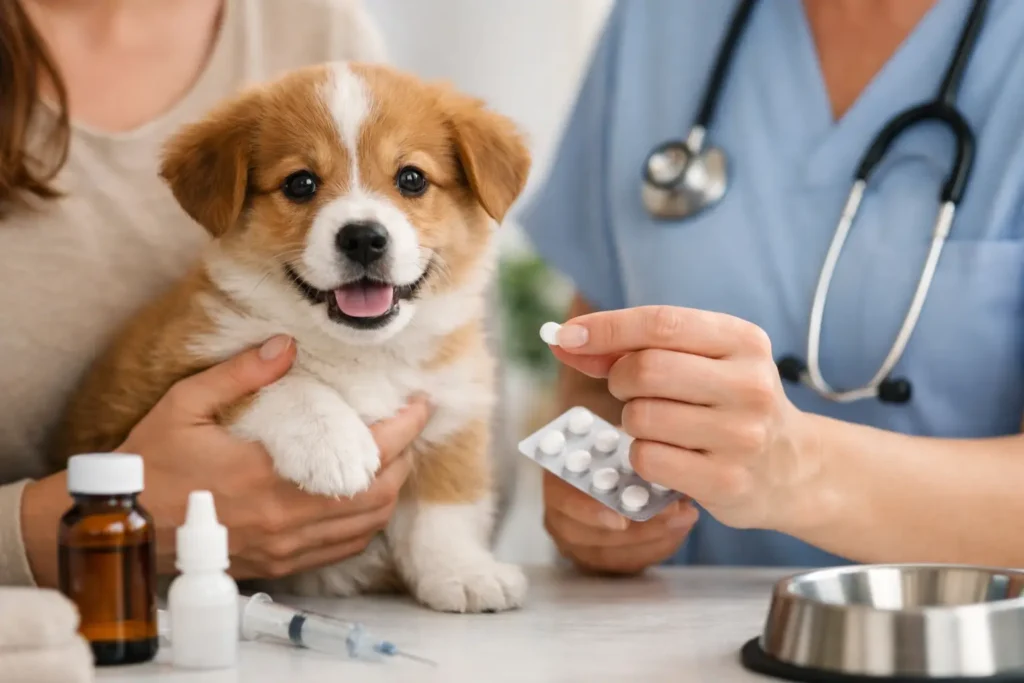
A playful puppy with a round belly may look well-fed, but a potbelly can sometimes be a sign of intestinal worms. That is why a clear puppy deworming guide malaysia is useful before your new companion settles into family life. Puppies can pick up worms from their mother, their surroundings, fleas, or contact with contaminated soil and stool. With a sensible schedule and veterinary advice, most worm problems can be prevented or treated early.
Deworming is not a one-time task completed when you bring a puppy home. It is part of routine puppy care, alongside vaccinations, nutritious food, grooming, and regular health checks. The right plan depends on your puppy’s age, weight, health history, lifestyle, and the medicine recommended by a veterinarian.
Why Puppies Need Deworming Early
Young puppies are especially vulnerable to intestinal parasites. Roundworms and hookworms may pass from a mother dog to her puppies before birth or through nursing. Even a puppy raised in a clean home can have parasites early in life, which is why responsible breeders and pet shops usually begin a deworming program before puppies go to their new families.
In Malaysia’s warm, humid climate, parasite eggs and larvae can survive in the environment more easily than many owners expect. A puppy that sniffs grass, walks in shared areas, meets other dogs, or accidentally licks contaminated surfaces may be exposed. Fleas can also carry tapeworms, so flea control and deworming often need to be considered together.
Worms can affect more than digestion. Heavy infections may contribute to poor growth, diarrhea, vomiting, anemia, low energy, and a dull coat. Hookworms are particularly concerning because they can cause blood loss in small puppies. Some parasites can also affect people, especially children who play on the floor, in gardens, or close to the puppy’s sleeping area.
Puppy Deworming Guide Malaysia: A Typical Schedule
A veterinarian should confirm the schedule for your individual puppy, but many puppy care programs follow a pattern like this: treatment every two weeks from around two weeks of age until eight weeks old, then monthly treatment until about six months old. After that, adult dogs may be dewormed on a schedule based on their lifestyle and parasite risk.
Your puppy may already have received one or more doses before coming home. Ask for the health record and check the dates carefully. A trustworthy seller should be open about what has been given, when it was given, and which veterinary clinic or professional supported the puppy’s care.
Do not assume that vaccination automatically covers worms. Vaccines protect against certain infectious diseases, while deworming medicine targets parasites. Both are important, but they do different jobs. Similarly, a puppy that looks energetic and has a good appetite can still carry worms without obvious symptoms.
The medicine and dose matter. Dewormers are usually chosen according to the type of parasite being prevented or treated, and the dose is based on the puppy’s current weight. Puppies grow quickly, so using an old dose without checking weight can be ineffective or unsafe. Never use a human medication, a random online product, or leftover treatment from another dog without veterinary guidance.
Keep a Simple Health Record
A small notebook or phone note can prevent missed treatments. Record your puppy’s date of birth, weight, deworming dates, product name, vaccination dates, flea prevention, and any unusual symptoms. Bring this record to veterinary visits, especially during the first six months when appointments and treatments can overlap.
If you are collecting a puppy from a seller, ask these direct questions: When was the last deworming dose given? What product was used? Has the puppy had loose stool, vomiting, fleas, or a fecal test? Clear answers and documented care give new owners more confidence than vague promises.
Common Worms and Signs to Watch For
Not every parasite causes dramatic symptoms. Still, knowing the common warning signs helps you act before your puppy becomes seriously unwell.
Roundworms can make a puppy’s belly appear swollen and may sometimes be visible in stool or vomit. Hookworms can cause dark or bloody stool, pale gums, weakness, and poor weight gain. Tapeworm segments may look like small grains of rice around the puppy’s rear end or bedding. Whipworms and giardia can also cause recurring diarrhea, although a stool test is often needed to identify the real cause.
Call a veterinarian promptly if your puppy has persistent diarrhea, repeated vomiting, blood in stool, refusal to eat, pale gums, sudden tiredness, or a swollen painful abdomen. Very young puppies can become dehydrated or weak quickly. Do not wait for a scheduled deworming date if your puppy is showing signs of illness.
A fecal examination is often worthwhile, particularly for puppies with digestive issues or those living with children, senior family members, or other pets. Deworming medicines do not always cover every parasite, and a test can help the veterinarian choose the most appropriate treatment.
Make Deworming Part of a Clean Home Routine
Medication works best when it is paired with good hygiene. Pick up stool as soon as possible, clean accidents thoroughly, wash bedding regularly, and keep food and water bowls clean. If your puppy has diarrhea, clean the area promptly and prevent other pets from using the same space until you have spoken with a veterinarian.
For households with a yard, avoid letting your puppy investigate areas where unknown dogs may have left stool. In apartments and condominiums, be mindful of shared pet relief areas and common walkways. You do not need to keep a puppy indoors forever, but it is wise to supervise outdoor time while vaccinations and parasite prevention are still being completed.
Children should wash their hands after playing with the puppy, handling toys, cleaning up, or being in the yard. This is a simple family habit that protects everyone without taking away the fun of welcoming a new dog home.
Do Not Forget Flea Prevention
Tapeworm infections are often connected to fleas. If you see fleas, flea dirt, frequent scratching, or tiny dark specks in your puppy’s coat, speak with a veterinarian about a product suitable for the puppy’s age and weight. Treating worms while ignoring fleas can lead to the same problem returning.
Avoid using flea shampoos, sprays, collars, or spot-on products meant for adult dogs unless a veterinarian confirms they are safe for your puppy. Young puppies can be sensitive to ingredients and incorrect dosing.
What to Ask Before Bringing a Puppy Home
A healthy start should include more than an adorable face and a quick handover. Ask to see vaccination and deworming records, understand the puppy’s current diet, and find out when the next veterinary visit is due. A puppy may be healthy at collection, but a smooth transition still depends on consistent care during the first few weeks at home.
At Pet Time, families can ask about a puppy’s documented health care and receive practical guidance as they prepare for feeding, sleep, grooming, and early care. This is especially helpful for first-time owners who want to follow the puppy’s existing routine rather than making sudden changes on day one.
Once your puppy is home, arrange a veterinary check soon after arrival. This visit gives you a chance to confirm the deworming plan, discuss flea prevention, check the puppy’s weight, and ask about stool testing. Bring every record you received, even if the information seems repetitive.
Deworming Mistakes New Owners Can Avoid
The most common mistake is treating deworming as a fixed calendar task without considering the puppy’s current condition. If your puppy is unwell, underweight, vomiting, or has severe diarrhea, contact a veterinarian before giving any medication. The timing may need to change, or the puppy may need additional support.
Another mistake is giving too little medicine because the owner is worried about side effects. An underdose may fail to clear the parasites and can complicate treatment. On the other hand, giving extra medicine does not make it work better. Use the exact product and amount recommended for your puppy’s weight.
Finally, do not stop prevention just because you have not seen worms. Parasites are often invisible, and regular prevention is far easier on a puppy than treating a heavy infection later.
Your puppy’s first months are full of small routines that build a healthy, happy life. Keep the health record nearby, clean up promptly, follow veterinary advice, and let each deworming date be one more quiet sign that your newest family member is being well cared for.