
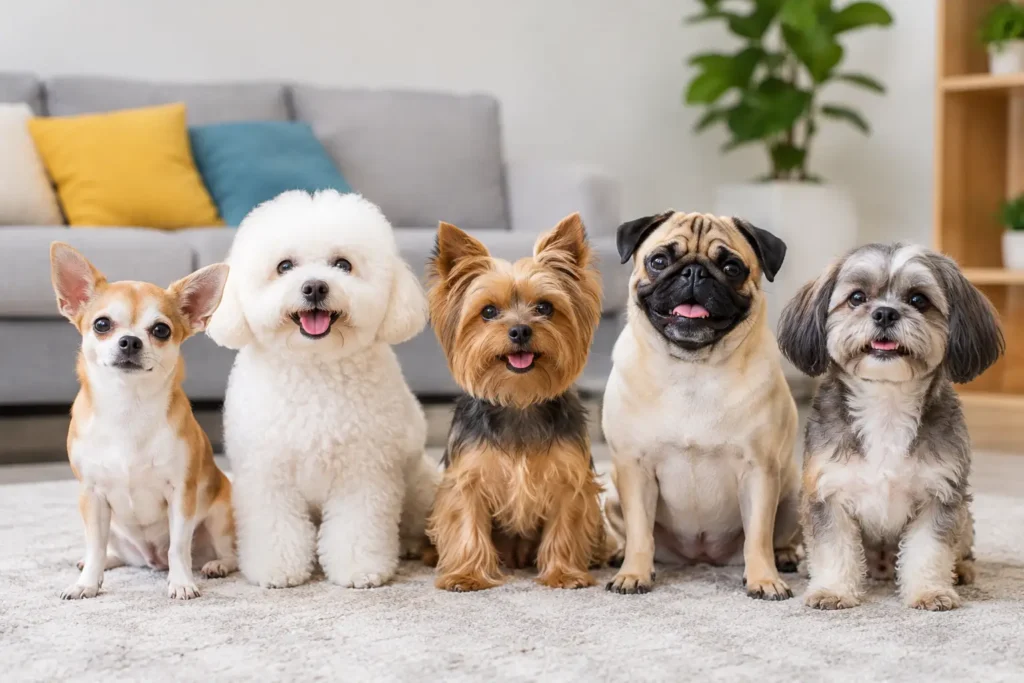
A puppy may look tiny in a photo, but the day-to-day difference between breeds is not small at all. This small dog breeds comparison is designed to help families, couples, and first-time owners choose a companion that fits their home, routine, and confidence level. The right puppy should bring happy energy to your family, not leave you surprised by grooming needs, barking, or a schedule that is harder to manage than expected.
Small dogs are often a practical choice for apartments, condos, and urban homes across Malaysia. They usually need less physical space than larger breeds, are easier to transport, and can be wonderful family companions. Still, every puppy needs daily attention, training, quality food, preventive veterinary care, and a safe place to rest. Size makes some things easier, but it does not replace responsible care.
Small Dog Breeds Comparison: Start With Your Lifestyle
Before choosing by appearance, consider what a normal weekday looks like in your household. A busy professional couple may prefer a puppy that is affectionate but comfortable with short quiet periods after proper training. A family with children may need a patient, playful breed with a more easygoing nature. If someone in the home is sensitive to pet hair, coat type becomes a major part of the decision.
Also think honestly about grooming. A fluffy, low-shedding coat can be attractive, but it often needs regular brushing and professional grooming. A short coat may be simpler to maintain, although every dog still benefits from bathing, nail trimming, ear care, and dental hygiene. The best match is not necessarily the cutest puppy in the moment. It is the dog whose needs your household can happily meet for years.
Popular Small Breeds and What They Are Like
Toy Poodle
Toy Poodles are bright, alert, and highly trainable. They are a strong choice for owners who enjoy teaching commands, playing indoor games, and building a close bond with their dog. Their curly coats shed less than many other coat types, which can appeal to households concerned about loose fur.
The trade-off is grooming. Poodles need consistent brushing to prevent tangles, plus regular grooming appointments to keep their coat comfortable and manageable. They also need mental stimulation. A bored Poodle may become noisy or find its own entertainment, so short training sessions and interactive toys are helpful.
Shih Tzu
Shih Tzus are known for their affectionate, people-focused personalities. They are often well suited to families seeking a loving indoor companion rather than a dog that needs long runs every day. Their moderate activity needs can work well in an apartment when they still receive daily walks, playtime, and social interaction.
Their beautiful long coat requires commitment. Owners can keep it long with frequent brushing or choose a shorter, easier-to-manage trim. Shih Tzus also benefit from gentle, consistent training from puppyhood. Their sweet nature does not mean they should be allowed to set every rule in the home.
Pomeranian
Pomeranians have a big personality in a very small body. They are lively, expressive, and often closely attached to their owners. For individuals or couples who want a cheerful companion and enjoy regular interaction, a Pomeranian can be a wonderful fit.
This breed can be vocal, especially without early socialization and training. Their thick double coat also sheds and needs brushing several times a week. They are small and delicate, so households with young children should teach calm, careful handling from the beginning.
Maltese and Maltipoo
Maltese dogs are gentle, affectionate companions that enjoy being near their people. Their compact size and friendly nature make them popular for apartment living and families wanting a lap dog with a playful side. A Maltese coat needs routine brushing, especially when worn long, and tear-stain care may be part of the regular grooming routine.
A Maltipoo, a Maltese and Poodle mix, may offer a similar affectionate temperament with a soft, wavy or curly coat. Coat texture and shedding can vary from puppy to puppy, so no mixed breed should be promised as completely non-shedding. Like Poodles, Maltipoos generally do best with training, companionship, and regular grooming.
Chihuahua
Chihuahuas are among the smallest companion dogs, but they are often confident, alert, and full of character. They can be a great choice for adults, couples, or families with older children who understand how gently a tiny dog must be handled. Their small size also makes travel and home setup easier.
Short-coated Chihuahuas usually have simple grooming needs, while long-coated varieties require more brushing. Many Chihuahuas form a strong bond with one or two people, so early socialization is especially valuable. Introduce visitors, household sounds, and polite handling in positive ways while the puppy is young.
French Bulldog
French Bulldogs are compact, affectionate, and known for their entertaining personalities. They often enjoy being close to the family and do not require the intense exercise of highly athletic breeds. Their short coat is straightforward to care for, which appeals to owners who want less brushing.
However, French Bulldogs need thoughtful care in Malaysia’s warm climate. Their flat faces can make it harder for them to cool down, so walks should be shorter and scheduled during cooler times of day. Avoid strenuous exercise and watch closely for heavy panting or signs of overheating. Responsible owners should also be prepared for routine cleaning around facial folds and ongoing veterinary care.
Pomsky
Pomskies may catch attention with their striking looks, but they are not always as low-maintenance as their size suggests. Their energy level, coat, and personality can vary depending on the traits they inherit. Many need more daily activity, training, and brushing than prospective owners expect.
A Pomsky may suit an active household that wants to include its dog in regular walks, games, and learning. It may be less suitable for someone looking for a quiet lap dog with minimal grooming. Ask about the individual puppy’s temperament and expected adult size rather than relying on photos alone.
Compare More Than Size Before You Reserve
When comparing puppies for sale, use four practical questions: How much exercise can we provide every day? How often can we brush or arrange grooming? Will the puppy spend time around children, older adults, or other pets? Can we handle the cost of food, vaccinations, grooming, supplies, and future veterinary visits?
It also helps to meet the puppy in person when possible. You can observe its energy, ask about its routine, and discuss which breed may suit your household. A trusted seller should be open about health records, vaccination status, care needs, and the puppy’s background. Clear documentation is not an extra detail. It is part of making a responsible decision.
For first-time owners, prepare the home before bringing a puppy home. A secure crate or playpen, suitable food, water bowls, a bed, puppy-safe toys, grooming tools, a leash, and a collar should be ready from day one. Establish feeding, toilet, sleep, and training routines early. Puppies learn faster when everyone in the family follows the same gentle rules.
At Pet Time, families can view available puppies, discuss breed suitability, and receive guidance on essential supplies and basic care. Health-checked, vaccinated puppies and transparent veterinary records give new owners a clearer starting point, while delivery options across West Malaysia can make the process more convenient.
A small dog can fill a home with affection, laughter, and companionship for many years. Take the time to choose with your routine in mind, ask every question you need to ask, and welcome a puppy only when you are ready to give it consistent care and a safe, loving place to belong.