
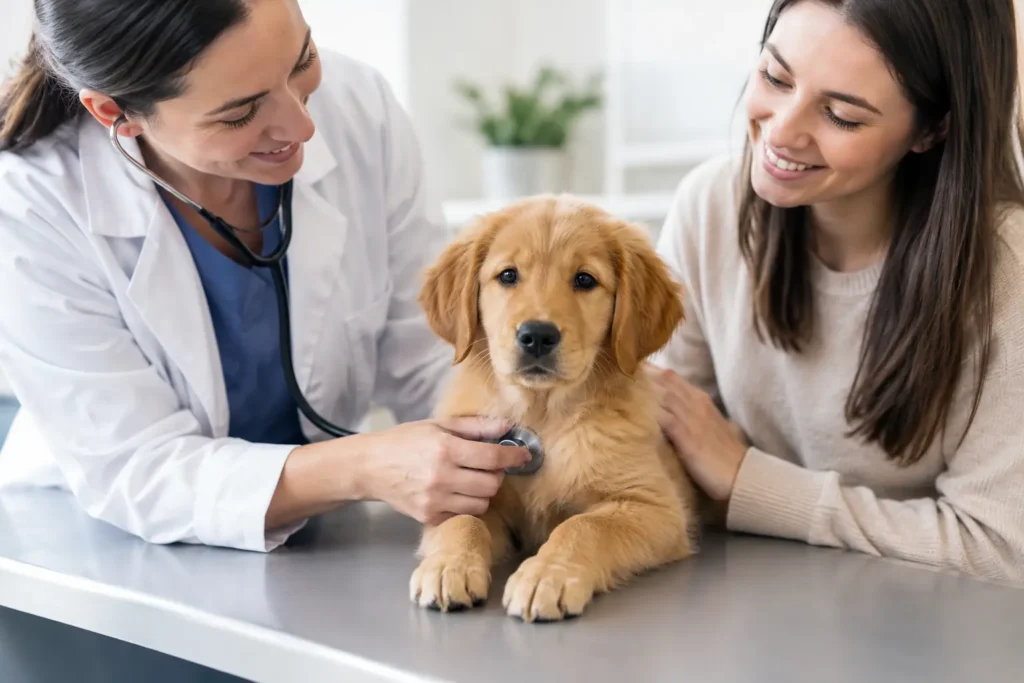
A puppy can look bright-eyed, playful, and perfectly healthy while still carrying a problem that is easy for a new owner to miss. That is why many families ask, do puppies need vet checks if they have already received vaccinations or a health record? Yes. A veterinary check is one of the kindest and most practical first steps you can take for a new puppy.
Vet visits are not only for puppies that seem sick. They give you a clear starting point for your puppy’s health, help your veterinarian plan future vaccinations and parasite prevention, and give you a trusted professional to call when questions come up at home. For first-time puppy owners, that reassurance matters just as much as the medical care.
Do Puppies Need Vet Checks Before Coming Home?
A responsible breeder or puppy seller should arrange a health check before a puppy goes to a new family. The check usually looks at overall condition, including the eyes, ears, skin, coat, teeth, heart and lungs, abdomen, movement, and signs of common concerns such as parasites or infection.
That pre-sale check is valuable, but it does not replace your own vet appointment. Puppies develop quickly, may be exposed to new environments during travel, and can show symptoms after arriving home. A puppy may also need follow-up vaccines or deworming based on its age and previous care.
When choosing a puppy, ask to see clear health and vaccination documentation. It should show what has been done, when it was done, and what remains due. At Pet Time, families are given veterinary health records so they can continue their puppy’s care with confidence after bringing them home.
Book a Vet Visit Soon After Arrival
It is wise to arrange a veterinary appointment within a few days of bringing your puppy home, even if the puppy appears well. Your veterinarian can confirm the puppy’s general condition, review its records, check for parasites, and set a personalized plan for vaccines, flea and tick prevention, heartworm prevention where appropriate, nutrition, and future appointments.
Bring every document you received with your puppy. This includes vaccination cards, deworming records, any laboratory results, and details about the food the puppy has been eating. Changing food suddenly can upset a puppy’s stomach, so your vet can advise whether to continue the current diet first or transition gradually.
The first visit is also a good time to discuss your household. Tell the vet whether you have children, other dogs or cats, access to a yard, or plans to travel with your puppy. A tiny Chihuahua, an energetic Beagle, and a large Golden Retriever puppy may all need different guidance as they grow.
What Happens During a Puppy Vet Check?
A good puppy exam is thorough but gentle. Your veterinarian will weigh your puppy and assess body condition, listen to the heart and lungs, look at the eyes and ears, examine the mouth, feel the abdomen, and check the skin and coat. They will also watch how the puppy stands and walks.
The vet may ask about appetite, drinking, stool, urination, energy level, coughing, sneezing, scratching, and sleep. These details can reveal early concerns that are not obvious during a short exam. If possible, bring a fresh stool sample in a clean container, as your veterinarian may recommend testing for intestinal parasites.
This is also where vaccine timing becomes clearer. Puppies receive a series of vaccines because protection builds over time. The exact schedule depends on the puppy’s age, medical history, local veterinary advice, and lifestyle. Do not assume that one vaccination means your puppy is fully protected or ready for every public area.
Health Records to Request and Keep
Health documentation helps you avoid guesswork. Keep it in one folder or take clear photos for backup, then bring it to every veterinary appointment. Before taking a puppy home, make sure you have records for these important items:
- Date of birth or estimated age
- Veterinary examination details, if available
- Vaccination dates and vaccine names
- Deworming treatments and dates
- Microchip information, if the puppy has been microchipped
- Current diet and feeding routine
These records are helpful if you change vets, arrange pet boarding later, or need to confirm when a future vaccine is due. They also make it easier for your veterinarian to avoid repeating treatments unnecessarily.
Vet Checks Are More Than Vaccines
Vaccines are a major reason for puppy appointments, but they are not the whole purpose. Early vet checks are a chance to build healthy routines before small issues become stressful ones.
Your veterinarian can help you understand portion sizes, expected growth, safe treats, grooming needs, teething, and toilet training concerns. They can also talk through neutering or spaying at an appropriate age, rather than relying on a one-size-fits-all timeline.
For families in apartments or busy urban neighborhoods, ask specifically about safe socialization. Puppies need positive exposure to people, sounds, handling, and calm, healthy dogs. However, until your vet confirms it is safe based on the vaccine schedule and local disease risk, avoid high-traffic dog areas where your puppy could encounter unvaccinated animals or contaminated surfaces.
Signs Your Puppy Needs a Vet Sooner
Do not wait for a scheduled appointment if your puppy seems unwell. Young puppies can become dehydrated or weak more quickly than adult dogs. Call a veterinarian promptly if you notice repeated vomiting, diarrhea, refusal to eat, severe tiredness, trouble breathing, a swollen belly, persistent coughing, discharge from the eyes or nose, or blood in the stool.
A single loose stool after a change in routine may not always be an emergency, but puppies should be monitored closely. If symptoms continue, worsen, or come with low energy or poor appetite, seek veterinary advice the same day. Trust your instincts. You know when your new puppy is not acting like themselves.
It is also worth calling if your puppy is constantly scratching, shaking their head, limping, crying when picked up, or struggling to urinate. Early attention can make treatment simpler and more comfortable for your puppy.
How Often Should Puppies Have Vet Checks?
Most puppies need several visits in their first months because vaccination series, deworming, growth checks, and preventive care happen on a schedule. Your veterinarian will recommend dates based on the puppy’s age and existing records. After the puppy stage, many healthy dogs move to regular wellness exams, though puppies with a medical concern may need more frequent follow-up.
The trade-off is time and cost versus prevention, and prevention usually wins. A planned check is far easier to manage than an urgent problem that has had time to progress. If budgeting is a concern, ask your veterinary clinic what routine care is due next and what it may cost, so you can plan ahead.
Make the First Appointment Easier
Keep the first visit calm and simple. Bring your puppy in a secure carrier or on a properly fitted leash, along with a few small treats and the health records. Let the clinic team know your puppy is new to veterinary visits, especially if they are shy or easily excited.
Avoid overwhelming your puppy with a long outing before or after the appointment. A short, positive experience teaches them that the vet is a safe place. Gentle handling at home – touching paws, lifting ears briefly, and rewarding calm behavior – can also make future checks much easier.
Your puppy’s first weeks are full of little milestones: the first night at home, learning their name, meeting the family, and discovering their favorite toy. Put a vet check near the top of that list. It is a simple act of care that gives your puppy the healthiest possible start and gives your family more confidence for every happy day ahead.