
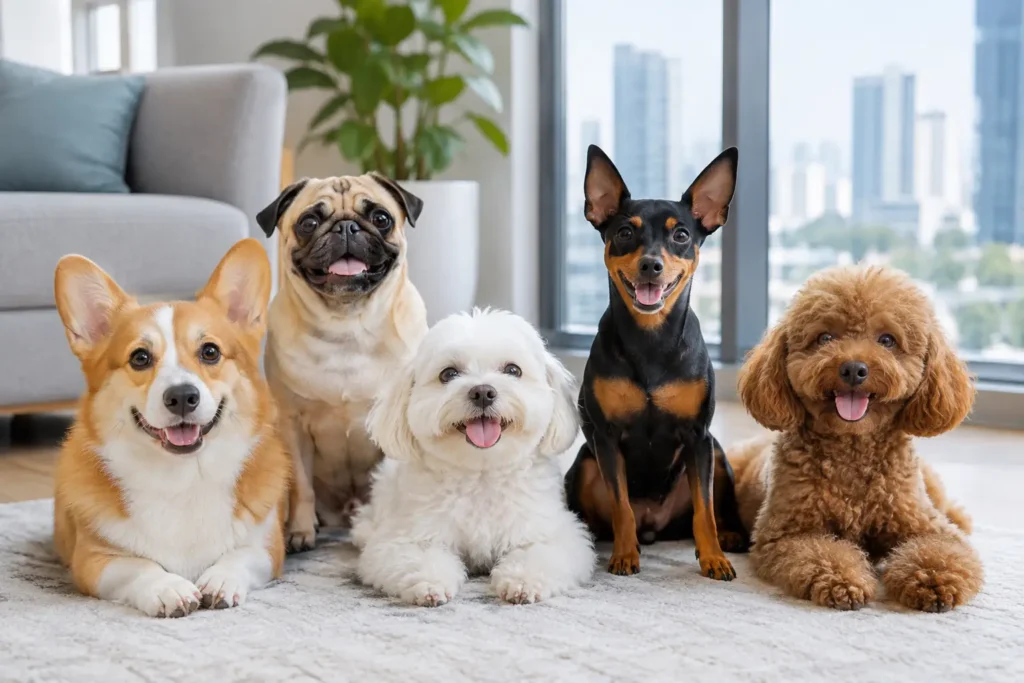
A puppy can make a high-rise home feel warmer, happier, and far less quiet. But apartment living in Malaysia comes with real considerations: limited space, close neighbors, condo management rules, hot weather, and the daily challenge of fitting walks into a busy schedule. The search for the best apartment dogs Malaysia families can raise should start with lifestyle, not just a cute face.
A small dog is not automatically an easy dog. Some compact breeds bark often, need frequent grooming, or have more energy than their size suggests. The right choice is a puppy whose temperament, exercise needs, and care routine suit your household for years to come.
What Makes a Dog Good for Apartment Living?
The best apartment dog is usually adaptable rather than simply tiny. A calm dog that settles comfortably indoors may be a better fit than a very active small breed that becomes frustrated without enough attention. For families in Kuala Lumpur, Puchong, Selangor, and other busy urban areas, practical daily care matters just as much as breed appearance.
Before choosing a puppy, consider how long someone is home each day, whether your building allows dogs, where the nearest safe walking area is, and how much grooming you can manage. Puppies also need training from the beginning. Toilet training, gentle socialization, and teaching quiet behavior help protect the comfort of both your family and your neighbors.
Malaysia’s heat and humidity are another important factor. Outdoor exercise is best planned during cooler morning or evening hours, especially for flat-faced breeds. Every dog needs fresh water, a comfortable indoor resting area, and close observation for signs of overheating.
12 Best Apartment Dogs Malaysia Owners Often Love
Poodle
Poodles are intelligent, affectionate, and available in sizes that work well for many apartments, especially Toy and Miniature Poodles. They learn routines quickly and enjoy spending time with their people. Their curly coat needs regular brushing and professional grooming, so they are best for owners ready to maintain a consistent coat-care schedule.
Shih Tzu
Shih Tzus are classic companion dogs with a relaxed, loving nature. They are generally happy living indoors as long as they receive short daily walks and family attention. Their long coat is beautiful but requires regular grooming, while a shorter pet trim can make care easier for busy households.
Pomeranian
Pomeranians are small, lively, and full of personality. They can do well in apartments, but owners should begin positive training early because they may alert-bark when they hear hallway sounds or visitors. Daily play, gentle walks, and brushing their thick double coat help keep them content.
Maltese
A Maltese is a sweet choice for owners wanting a small indoor companion. This breed enjoys close contact with family members and does not need a large home to be happy. Like other long-haired dogs, Maltese puppies need regular grooming and careful tear-stain and coat care.
Maltipoo
The Maltipoo combines the affectionate nature of the Maltese with the intelligence of the Poodle. Many families appreciate their friendly, people-focused temperament and smaller size. Their coat type can vary, but regular brushing and grooming are still part of responsible ownership.
Chihuahua
Chihuahuas need very little floor space, yet they have big personalities and form strong bonds with their owners. They are suitable for apartments when treated gently and socialized well from puppyhood. Because they are small and can feel vulnerable, they need supervision around young children and protection from falls, rough play, and larger dogs.
French Bulldog
French Bulldogs are popular among city dwellers because they are affectionate, sturdy, and usually satisfied with moderate exercise. Their short coat is easy to maintain, but their flat face means they are sensitive to heat and breathing stress. Air-conditioned indoor comfort, calm exercise, and avoiding midday walks are essential in Malaysia.
Corgi
Corgis are compact but not low-energy. They can live in an apartment with committed owners who provide daily walks, training, and play that challenges their smart minds. Expect shedding, a confident personality, and a dog that needs more activity than its short legs might suggest.
Beagle
Beagles are cheerful, friendly family dogs, but they need enough exercise and mental stimulation to settle well indoors. They can also be vocal, so they are a better match for owners who have time for training and regular outdoor activity. A Beagle may suit a larger apartment near a park more than a home where it will be left alone for long periods.
Miniature or Toy Pomsky
Pomskies can be affectionate and striking-looking companions, but their needs depend greatly on their individual size and temperament. Some are energetic and vocal, so apartment suitability depends on committed training, exercise, and early socialization. Ask clearly about the puppy’s expected adult size and care needs before making a decision.
Golden Retriever
A Golden Retriever is not the obvious apartment choice, but it can work for highly active families with enough time, space, and access to daily outdoor exercise. They are loving and trainable, yet they grow large, shed heavily, and need meaningful activity. For most first-time apartment owners, a smaller companion breed is usually more practical.
Mixed-Breed Companion Puppies
A well-matched mixed-breed puppy can be a wonderful apartment dog, particularly when you understand its likely adult size, energy level, and coat-care needs. Personality matters. Some puppies are naturally calm and cuddly, while others need much more activity and training. A responsible seller should discuss what they know about the puppy’s background honestly.
Do Not Choose by Size Alone
It is easy to assume that the smallest puppy will be the easiest. In reality, the best fit is a dog whose needs you can meet every day. A quiet Shih Tzu may be ideal for a couple with a calm routine, while a Poodle may suit a family that enjoys training and interactive play. A French Bulldog can be affectionate and apartment-friendly, but its heat sensitivity requires extra care in Malaysia’s climate.
Think honestly about noise as well. Barking can create stress in a condo or apartment building, especially when neighbors share walls. Training should begin early: reward quiet behavior, avoid leaving a puppy bored for long hours, and introduce new sounds, people, and safe environments gradually. A puppy that feels secure is less likely to react to every sound outside the door.
Prepare Your Apartment Before Your Puppy Arrives
A safe setup makes the transition easier for everyone. Create a quiet sleeping area with a comfortable bed or crate, keep electrical cords and small items out of reach, and use pet gates if certain rooms are off-limits. Puppies explore with their mouths, so secure cleaning products, medications, balcony gaps, and trash bins.
You will also need a feeding area, age-appropriate food, water bowls, a leash and harness, grooming tools, toys, training pads if needed, and a carrier for vet visits. For apartment owners, a routine is especially helpful. Take your puppy out after waking, eating, playing, and napping, then praise successful toilet breaks immediately.
Check your building’s pet policy before bringing a puppy home. Some residences have size limits, registration requirements, elevator rules, or designated walking areas. Knowing these details in advance prevents unnecessary stress after you have already fallen in love with a puppy.
Choose a Healthy Puppy With Clear Support
A healthy start matters more than any breed trend. Ask to see vaccination and health records, learn what food the puppy is currently eating, and ask about expected grooming, exercise, and adult size. Seeing a puppy in person can also help you notice its energy level and choose a companion that feels right for your home.
At Pet Time, families can view puppies, discuss breed suitability, and receive practical guidance on supplies and first-time care. Choosing from a trusted source gives new owners more confidence, particularly when health checks, vaccination information, and ongoing basic care support are part of the process.
The right apartment dog does not need a huge house to have a happy life. It needs a safe home, patient training, daily companionship, and an owner who chooses with both the heart and the practical routine in mind.