
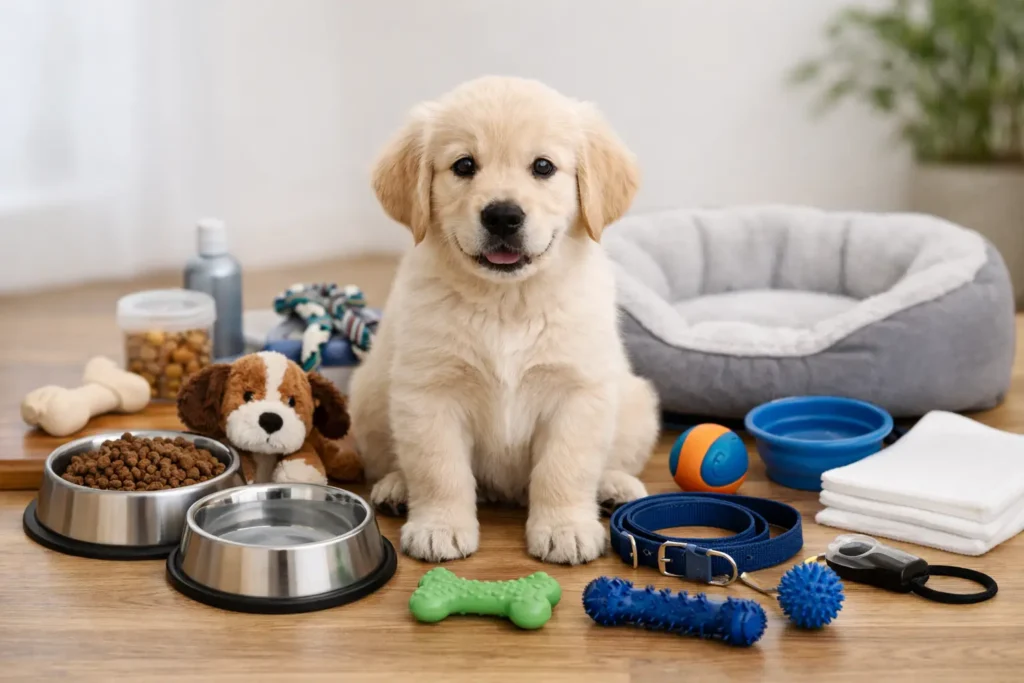
The first night with a new puppy usually tells you everything. If your puppy has a safe place to sleep, the right bowl, a chew toy, and a leash that fits, the transition feels calmer for everyone. That is why choosing the best puppy starter accessories before your puppy comes home makes such a big difference.
New owners often think they need to buy everything at once. In reality, the smartest setup is not the biggest one. It is the one that keeps your puppy comfortable, supports healthy habits, and makes daily care easier for your family.
What the best puppy starter accessories should actually do
A good puppy setup should solve real problems in the first few weeks. It should help with sleeping, feeding, toilet training, chewing, grooming, and safe travel around the house or in the car. If an accessory does not make one of those jobs easier, it can probably wait.
This matters even more for first-time owners. Puppies are small, curious, and quick to get into trouble. The right supplies reduce stress and help you build routine early. That means fewer accidents, less destructive chewing, and a more confident puppy.
1. A secure crate or playpen
A crate or playpen is one of the most useful accessories you can buy. It gives your puppy a safe, quiet place to rest and helps with house training because puppies naturally try not to soil where they sleep.
The fit matters. A crate that is too large can make training harder, while one that is too small will be uncomfortable. Your puppy should be able to stand up, turn around, and lie down easily. For very young puppies, a playpen can also be helpful during the day when you need to limit access to the rest of the house.
If you live in an apartment or a busy household, this becomes even more valuable. It creates a clear resting zone and prevents overstimulation.
2. A washable puppy bed
Your puppy needs a soft place to rest, but it should also be practical. Look for a bed with removable, washable covers or a simple padded mat that can handle accidents. Fancy beds may look nice, but in the first few months, easy cleaning matters more.
Some puppies chew their bedding, so plush materials are not always the best first choice. If your puppy is a heavy chewer, start with a durable mat and upgrade later. Comfort is important, but safety comes first.
3. Food and water bowls that stay put
Stainless steel bowls are usually the safest and easiest option. They are durable, simple to clean, and less likely to hold odor compared to plastic. A non-slip base is worth it because playful puppies tend to push bowls around the floor.
Size matters here too. Small companion breeds need shallow bowls that are easy to reach, while larger breeds may do better with something slightly wider. You do not need an elaborate feeder. You need bowls that are stable, clean, and puppy-friendly.
4. Puppy food that matches your puppy’s age and breed size
Food is not exactly an accessory, but it belongs in every starter setup. A young puppy should eat a formula made for growth, and breed size can affect which food works best. Small breeds often need smaller kibble and more frequent meals, while larger breeds need balanced growth support to avoid putting too much strain on developing joints.
If your puppy is already eating a specific food, sudden changes can upset the stomach. It is usually better to start with what your puppy is used to and transition slowly if needed. That small decision can save you from a rough first weekend.
5. A collar, harness, and leash that fit properly
This is one area where buying for looks alone can backfire. A cute collar is fine, but comfort and fit are more important. For many puppies, a soft adjustable harness is easier and gentler during early walks than relying only on a collar.
A lightweight leash works best for beginners. You want control without dragging your puppy or making movement awkward. Retractable leashes are usually not the best starting point because they encourage pulling and make training less clear.
If you are bringing home a very small breed, pay extra attention to weight and hardware. Heavy clips and thick straps can feel bulky on a tiny puppy.
6. Chew toys for teething and boredom
Puppies chew because they are teething, exploring, and trying to release energy. If you do not give them appropriate chew toys, they will find their own options, and your slippers may lose that battle.
A mix of textures usually works best. Soft rubber toys, puppy-safe teething toys, and a plush toy for comfort can all have a place. What you want to avoid are toys that break apart too easily or are too hard for young teeth. Not every puppy likes the same style, so some trial and error is normal.
Among the best puppy starter accessories, chew toys are often underestimated. They are not just for fun. They help redirect unwanted behavior and make settling down easier.
7. Puppy pads and cleaning supplies
Even with a solid routine, accidents happen. That is normal. Having puppy pads, an enzymatic cleaner, and a few extra towels ready from day one saves a lot of frustration.
If your goal is outdoor potty training, pads should be used thoughtfully. For some families, especially those in high-rise homes or during the first vaccine period, they are useful. For others, they can slow the transition outdoors. It depends on your home setup, your puppy’s age, and how often you can take your puppy outside.
The cleaner matters more than many people realize. Regular floor cleaner may remove the smell for you, but puppies can still detect the scent and return to the same spot.
8. Basic grooming tools
Even short-haired puppies need grooming. A soft brush, puppy shampoo, nail clippers, and ear-cleaning supplies are good basics. Long-haired breeds like Poodles, Maltese, Shih Tzus, and Maltipoos usually need more frequent brushing to prevent tangles and discomfort.
Start slowly. Grooming should feel gentle and routine, not stressful. A few calm minutes each day is better than waiting until your puppy is matted, dirty, or frightened of being handled.
This is also where breed matters. A fluffy companion breed will need different coat care than a smooth-coated Beagle or French Bulldog. Buying the right tools early makes maintenance easier.
9. Training treats and a treat pouch
Small training treats help you reward good behavior quickly. That means sitting calmly, going to the toilet in the right place, entering the crate, or walking nicely on leash. Puppies learn through timing, so having treats close by makes training more effective.
Choose soft, small pieces that your puppy can eat quickly. Big treats interrupt the moment and can add too many extra calories. A simple treat pouch or container helps keep rewards within reach instead of buried in a kitchen drawer.
10. A puppy-safe travel carrier or car restraint
A lot of new owners focus on life at home and forget about transport. But your puppy will need safe travel for vet visits, grooming, and family outings. A secure carrier for small breeds or a proper car restraint for larger puppies is part of responsible ownership.
Do not let a puppy roam loose in the car. It is distracting, unsafe, and stressful for the puppy. A secure setup helps your puppy feel contained and protected, especially during those first few trips.
11. ID tags and first-week health basics
Even very young puppies should have identification once they are out and about. A tag with your phone number is simple, affordable, and important. If your puppy is microchipped, even better, but visible ID is still useful.
For health basics, keep things practical. A digital thermometer, puppy wipes, and any vet-recommended preventive care can be helpful. You do not need a full clinic at home, but you do want to be prepared for the small things.
12. A small routine station for daily care
This is the accessory many owners never think about, but it makes a real difference. Keep your leash, poop bags, brush, wipes, treats, and feeding items in one easy-to-reach spot. A basket, shelf, or small storage bin works fine.
Puppy care goes more smoothly when you are not searching for supplies while your puppy is already having a moment. Convenience may sound minor, but it helps you stay consistent, and consistency is what puppies respond to best.
How to choose the best puppy starter accessories without overspending
It is easy to buy too much before meeting your puppy’s personality. Some puppies love plush toys, others destroy them in ten minutes. Some settle well in a crate, while others do better with a playpen first. Start with the essentials, then adjust once you see your puppy’s size, habits, and energy level.
Quality matters more than quantity. A sturdy crate, safe harness, and easy-to-clean bed will do more for you than a pile of novelty items. The best puppy starter accessories are not the flashiest ones. They are the products you use every single day.
If you are buying from a trusted pet shop that also provides care guidance, ask what your puppy is already used to. The right advice can help you avoid buying the wrong bowl size, the wrong brush, or a leash that feels too heavy for a toy breed. At Pet Time, that kind of practical support is part of helping families start off with confidence.
A smart starter setup makes the first week easier
Bringing home a puppy is exciting, but it also comes with a lot of small decisions. The right accessories do not just make your home look ready. They make your puppy feel safe, help your family build routine faster, and reduce many of the common first-week problems.
If you are not sure where to begin, start with sleep, feeding, training, and safety. Once those are covered, everything else becomes easier. A calm puppy does not come from buying the most things. It comes from buying the right ones.