
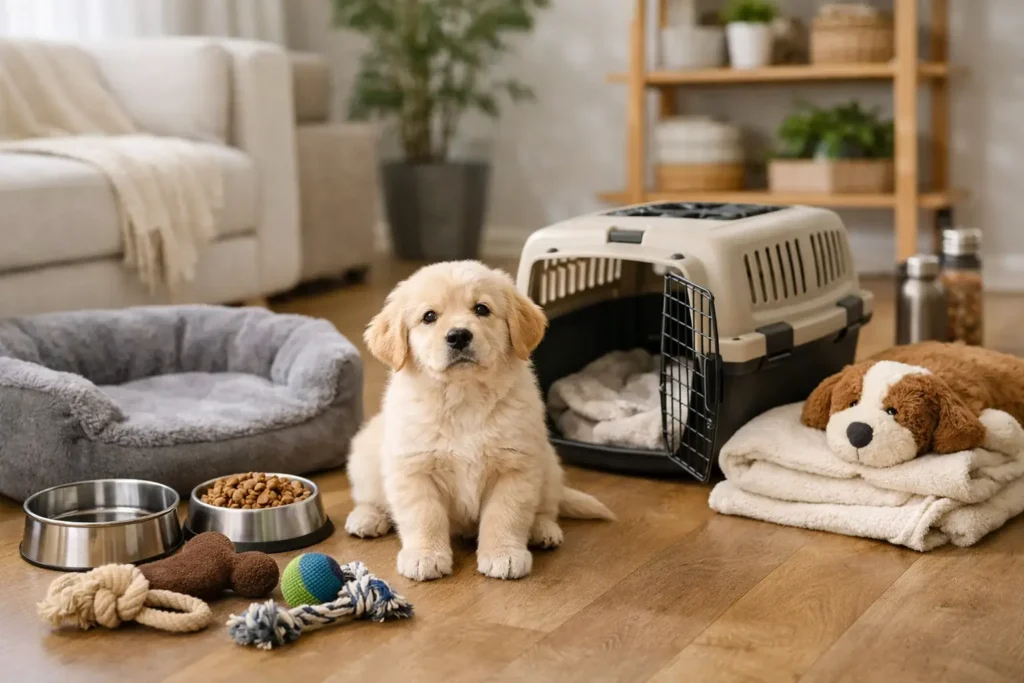
That first car ride home feels exciting, but a puppy does not know it is joining a loving family yet. Everything is new: the sounds in the house, the smell of the floor, the people reaching out to greet them, and even the bowl in front of them. Knowing how to prepare for puppy arrival helps you replace a stressful first day with a calmer, safer start for everyone.
A little planning also makes it easier to focus on the best part – getting to know your new companion. Prepare the home, agree on family routines, and make sure you understand your puppy’s health records before pickup or delivery day.
How to Prepare for Puppy Arrival Before Pickup Day
Start by deciding where your puppy will sleep, eat, play, and go potty. Puppies thrive on predictable routines, especially when they have just left their mother and littermates. A quiet area near the family is usually better than placing them alone in a distant room, but avoid high-traffic spots where people constantly walk past.
Choose a crate or puppy pen that gives your dog enough room to stand, turn around, and lie down comfortably. A crate is not a punishment. When introduced gently, it becomes a secure resting space and can support house training. Add a washable bed or blanket, but keep the setup simple at first. Some puppies chew bedding, so supervise closely and remove anything that could be swallowed.
Before your puppy arrives, get down to their level and inspect every room they may enter. Electrical cords, cleaning products, medication, small toys, loose coins, and houseplants can all become hazards. Secure trash cans and block access to balconies, stairways, pools, and rooms that cannot be supervised.
Do not expect puppy-proofing to be a one-time task. Puppies grow quickly, reach higher than expected, and become curious about different objects each week. Review your setup regularly during the first few months.
Buy the Essentials, Not Every Cute Accessory
It is easy to fill a cart with adorable puppy items. The better approach is to begin with practical supplies that support feeding, sleep, hygiene, training, and safe travel. You can always add extras once you learn your puppy’s size, chewing habits, and personality.
Your first shopping list should include:
- Puppy food recommended for your dog’s age and size, plus a measuring cup
- Food and water bowls that are stable and easy to clean
- A properly fitted collar or harness, ID tag, leash, and carrier or travel crate
- Puppy pads or outdoor cleanup bags, enzyme cleaner, and a designated potty area
- Chew-safe toys, a soft brush, nail trimmers, shampoo made for puppies, and a toothbrush
- A crate or playpen, washable bedding, and gates for limiting access to unsafe areas
Ask what food your puppy has been eating before you bring them home. Changing diets suddenly can upset a young dog’s stomach. If you plan to switch foods, do it gradually over several days, mixing increasing amounts of the new food with the previous one. Your veterinarian can help you choose an appropriate formula if you are unsure.
Toys matter, but variety matters more than quantity. Offer a few safe toys with different textures and rotate them. Avoid toys with loose parts, fragile plastic, or pieces small enough to swallow. If your puppy is a strong chewer, choose durable options designed for puppy use and replace damaged toys promptly.
Create a Family Routine Before the Puppy Arrives
A puppy needs consistent rules more than a perfect schedule. Talk with everyone in the household before arrival day. Decide who handles morning feeding, potty breaks, short training sessions, cleanup, and evening settling. When one person allows jumping on the sofa and another corrects it, the puppy receives mixed signals.
Young puppies need frequent potty opportunities. Take them out after waking, eating, drinking, playing, and napping. Praise calmly right after they use the right spot. Accidents will happen, and scolding after the fact does not teach a puppy what you want. Clean the area thoroughly with an enzyme cleaner so lingering odor does not encourage repeat accidents.
Set realistic expectations for sleep too. Many puppies wake during the night in their first few days at home. Keep nighttime potty trips quiet and boring: no games, bright lights, or long cuddles. This helps your puppy learn that nighttime is for resting.
If you have children, teach them how to greet the puppy gently. Sitting on the floor and allowing the puppy to approach is often less overwhelming than carrying or hugging them. Children should not disturb a puppy while eating, sleeping, or resting in their crate. Adult supervision is especially important during early interactions, even with patient family breeds.
Confirm Health Records and Your Veterinary Plan
Choosing a puppy is an emotional decision, but health information deserves the same careful attention as personality and appearance. Ask for clear vaccination and veterinary health records, along with information about deworming, diet, age, and any care instructions already provided.
A responsible seller should be open about a puppy’s records and ready to answer practical questions. If you are buying from a local pet shop, visit in person when possible, observe the puppy’s environment, and ask how the puppy has been socialized and cared for. At Pet Time, families can ask to review health information and receive guidance on the supplies and routine that suit their selected puppy.
Arrange a first veterinary visit shortly after your puppy comes home. Your vet can perform a general wellness check, discuss the vaccination schedule, recommend parasite prevention, and answer questions about feeding, behavior, and breed-related care. Bring every document you received so the clinic has an accurate starting record.
It is also wise to plan for the ongoing costs of dog ownership. Food, grooming, training, annual checkups, vaccines, preventives, boarding, and unexpected care all add up. A smaller puppy may eat less, but some small breeds require regular grooming. Larger breeds may need more food, bigger equipment, and extra space. The right choice depends on your home, schedule, budget, and ability to provide care for years to come.
Make Arrival Day Quiet and Safe
When your puppy arrives, keep the welcome warm but low-key. You may want every friend and relative to meet the new family member immediately, but a crowded introduction can be overwhelming. Give your puppy time to explore one safe area, take a potty break, drink water, and rest.
Show them the potty area first, then introduce their bed or crate. Offer a small meal only if it matches the feeding schedule you were given. Some puppies eat less on their first day because of the change, so do not panic over one missed meal unless your puppy seems unwell or your veterinarian advises otherwise.
Supervise closely without hovering. Puppies need opportunities to sniff and settle, but they should not have free access to the entire house. Use gates, a pen, or a lightweight leash indoors if needed. This prevents accidents and lets you notice early signs that they need a potty break.
Start Training Through Everyday Moments
Training begins the moment your puppy comes home, but it does not need to feel formal. Reward your puppy for looking at you, coming when called, sitting before meals, and choosing a toy instead of a shoe. Short, positive sessions work best because young puppies have limited attention spans.
Socialization should also be gradual. Introduce new sounds, surfaces, people, and calm, healthy vaccinated dogs in ways that feel safe. Do not force interactions with strangers or noisy environments. A puppy who can watch from a comfortable distance and receive praise is still learning.
If biting becomes common during play, redirect to an appropriate chew toy and pause the game briefly when teeth touch skin. Puppies naturally explore with their mouths, especially while teething. Consistent redirection is more useful than harsh punishment.
A puppy does not need a flawless home or an expensive collection of supplies. They need safe boundaries, patient people, reliable health care, and a routine they can trust. Give your new dog a calm first week, and you will be building the kind of relationship that makes every busy morning and chewed slipper worth it.