
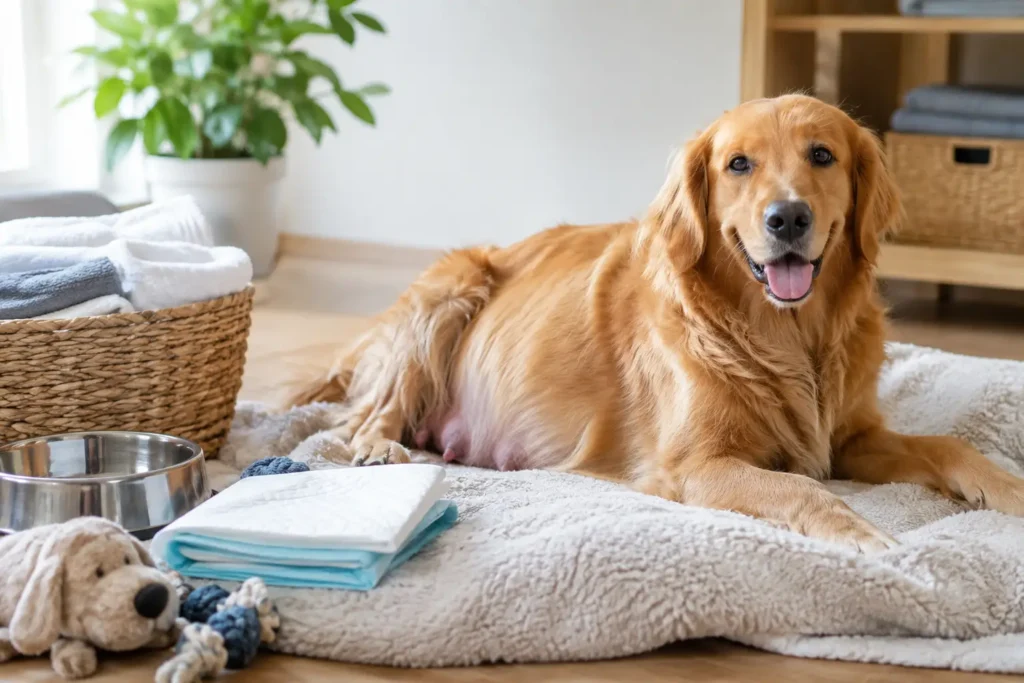
The doorbell rings, and suddenly the puppy you have been waiting for is in your arms. Knowing how to prepare for dog delivery helps that exciting moment feel calm instead of rushed. A safe space, the right supplies, and a little family planning give your new puppy the gentle welcome they deserve.
For many first-time owners, delivery is more than transportation. It is the handover point where you receive your puppy, health documents, care information, and the responsibility of helping a young dog settle into a completely new environment. A few simple preparations make a real difference during those first important hours.
How to Prepare for Dog Delivery Before Arrival
Start preparing at least a day or two before delivery. Do not wait until the puppy is on the way to choose a sleeping area or open a bag of food. Puppies notice unfamiliar sounds, smells, and activity quickly, so a home that feels organized and quiet will help them adjust.
Choose one small, easy-to-clean area as your puppy’s first home base. A playpen, a section of the living room, or a quiet bedroom corner can work well. It should be away from direct sun, strong air conditioning, loud speakers, and busy foot traffic. Young puppies need plenty of rest, and they should have a calm place where they can sleep without being constantly picked up or followed.
Place a comfortable bed or crate in that area, along with clean water and a few safe puppy toys. If you are using a crate, make sure it is large enough for the puppy to stand up, turn around, and lie down comfortably, but not so large that it feels exposed. A crate is not a punishment. When introduced patiently, it can become a secure sleeping space and a useful tool for house training.
Before the puppy arrives, puppy-proof the rooms they can access. Get down to floor level and look for hazards from a puppy’s point of view. Secure loose electrical cords, remove small objects that can be swallowed, store cleaning products safely, and keep shoes, remote controls, and children’s toys out of reach. Check that balcony doors, gates, and windows are properly secured. If you have indoor plants, confirm that they are safe around dogs.
Set Up the Essentials, Not Everything at Once
New owners often feel pressured to buy every item before bringing home a puppy. The truth is that you only need the basics on day one. It is better to choose safe, useful items than fill the home with products your puppy may not need.
Prepare puppy food, food and water bowls, a leash and properly fitted collar or harness, pee pads or access to a designated toilet area, a bed or crate, grooming supplies, and a few chew-safe toys. Ask what food your puppy has been eating and continue with the same diet at first. Changing food immediately can upset a puppy’s stomach during an already stressful transition.
Have paper towels, pet-safe cleaning supplies, and a small trash bin ready as well. Accidents are normal during the first days. Respond quietly, clean thoroughly, and avoid scolding. Your puppy is learning a new schedule and does not yet understand where you expect them to go.
If you have children, explain the house rules before delivery. They can be excited, but the puppy should not be passed around, hugged tightly, or woken while sleeping. Teach children to sit calmly, let the puppy approach, and pet gently along the shoulder or back. This first interaction can shape how safe the puppy feels around the family.
Confirm the Delivery Details and Health Documents
A responsible puppy delivery should feel clear and transparent. Confirm the delivery time, address, contact number, and the name of the person who will receive the puppy. Make sure someone can be home during the agreed window so the puppy is not left waiting in an unfamiliar situation.
Ask what documents will come with your puppy and set aside a folder for them. Depending on the puppy’s age and care plan, this may include vaccination records, deworming information, a veterinary health check, feeding guidance, and details about future vaccine timing. Read these documents carefully instead of putting them aside for later.
When the puppy arrives, take a calm moment to check that the information matches the puppy you are receiving. You can also ask practical questions about their current routine, including meal portions, sleep habits, toilet patterns, and favorite toys. These details help you keep the first few days familiar.
At Pet Time, families are encouraged to ask questions about health records and basic care before taking a puppy home. Clear paperwork and honest guidance give new owners confidence, especially when they are welcoming their first dog.
Keep Arrival Day Quiet and Gentle
The first day is not the time for a party, a pet store trip, or visits from every relative and neighbor. Your puppy has just left a familiar environment, possibly traveled for several hours, and entered a home full of new sights and smells. Give them time to take it in.
Bring the puppy straight to the prepared toilet area first. Even if they do not go, this begins the routine. Then let them explore their home base at their own pace. Sit nearby, speak softly, and allow them to come to you. Some puppies are playful immediately, while others may be shy, sleepy, or quiet. Both reactions can be normal.
Offer a small meal only at the recommended time. Avoid treats, table food, milk, or sudden food changes on the first day. Fresh water should always be available, but do not worry if your puppy eats less than expected at first. Monitor them, keep their environment calm, and follow the feeding advice provided.
Introduce other household pets slowly. Keep initial meetings short and supervised, preferably in a neutral or open area. Do not force nose-to-nose contact or leave pets alone together right away. Even a friendly adult dog may need time to understand that a small puppy has joined the household.
Plan the First Night Before Dog Delivery
The first night is often the part families worry about most. Puppies may cry because they miss their littermates, feel confused, or need a toilet break. Preparation helps everyone respond with patience.
Set the crate or bed close to where you sleep for the first few nights if possible. Your presence can be reassuring, and you are more likely to hear when the puppy needs to go out. Keep nighttime interactions quiet and boring. Take the puppy to their toilet area, offer brief praise when they go, then return them to bed without playtime.
A consistent routine is more helpful than trying to make the puppy tired with too much activity. Young puppies need frequent naps, short play sessions, regular meals, and regular toilet breaks. Expect some adjustment. House training is built through repetition, not perfection in a single weekend.
If your puppy cries, first consider whether they need the toilet, water, or comfort. Avoid teaching them that every cry leads to exciting play or a long period on the couch. Calm reassurance and a predictable routine are kinder and more effective.
Know When to Call a Veterinarian
A puppy may be tired, hesitant to eat, or quieter than usual after travel. However, do not ignore signs that seem more serious. Contact a veterinarian promptly if you notice repeated vomiting, persistent diarrhea, trouble breathing, extreme weakness, refusal to drink, swelling, or unusual discharge from the eyes or nose.
It is also wise to choose a local veterinarian before delivery day. Save the clinic number in your phone and ask about a first wellness visit. A veterinarian can establish a baseline, discuss vaccination timing, and answer questions specific to your puppy’s breed, age, size, and lifestyle.
Give Your Puppy Time to Belong
A well-prepared delivery day is not about making everything perfect. It is about making your puppy feel safe enough to rest, eat, explore, and begin trusting the people around them. Keep the home calm, follow the care guidance you receive, and let small routines build day by day.
The best welcome is simple: a safe place to sleep, gentle hands, patient expectations, and a family ready to grow alongside their new companion.