
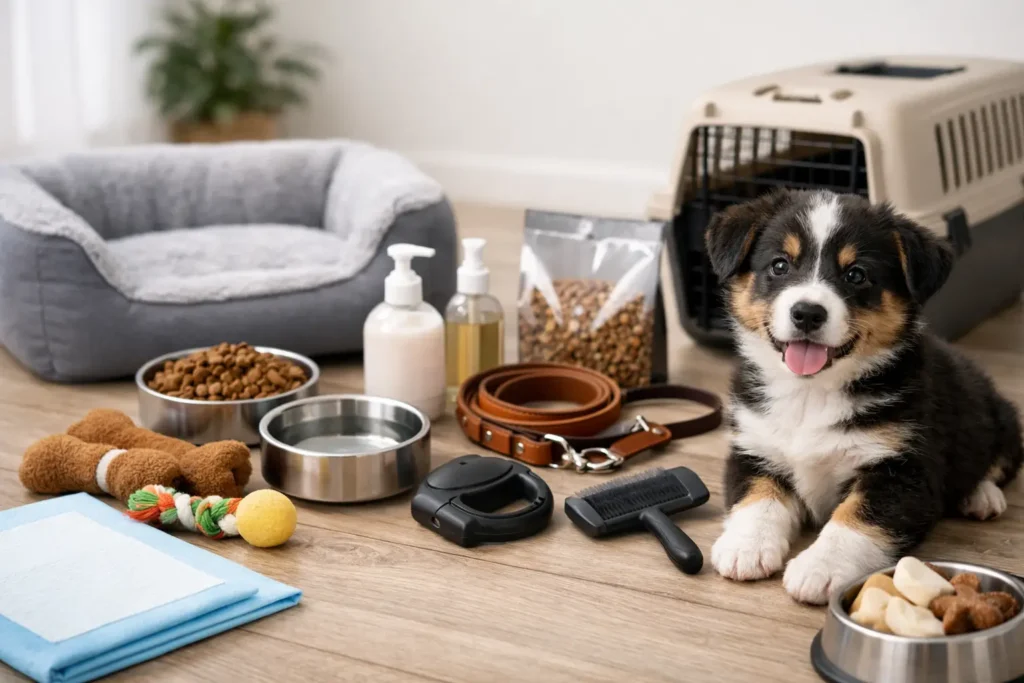
The first night with a puppy usually tells you everything – if you are prepared, your home feels calm; if not, even a simple bedtime can turn into a stressful scramble for bowls, pee pads, and a safe sleeping spot. That is why getting your new puppy essentials Malaysia setup right before your puppy arrives matters so much. A good start does not need to be fancy, but it does need to be thoughtful, especially in a warm climate, a busy household, and a first-time owner situation.
Bringing home a puppy is exciting, but it also comes with a lot of small decisions that affect comfort, safety, and long-term routine. The best essentials are not just the cutest items on the shelf. They are the items that make feeding easier, sleep safer, training smoother, and health monitoring more consistent from day one.
What new puppy essentials Malaysia owners really need first
Many new owners buy too much of the wrong thing and miss the basics that actually make daily life easier. Start with the items your puppy will use every single day – food and water bowls, age-appropriate puppy food, a leash and collar or harness, a crate or secure play area, bedding, chew toys, pee pads if needed, shampoo for puppies, nail clippers, and simple cleaning supplies for accidents.
If your puppy is very small, sizing matters more than people expect. A bowl that is too deep, a harness that slips, or a bed with high sides can make a young puppy uncomfortable. If your puppy will grow quickly, like a Golden Retriever or Corgi, you may need to balance buying for today and planning for the next few months. Some products are worth sizing up for, but collars, harnesses, and beds often need a better fit right now.
Climate matters too. In Malaysia, puppies can get uncomfortable in hot, poorly ventilated spaces. Choose breathable bedding and place the sleeping area somewhere cool and quiet, away from direct sun. Thick plush beds can look cozy, but not every puppy wants heavy fabric in warm weather.
Food and feeding essentials
Food is one area where consistency matters more than variety. Your puppy should start with a quality puppy formula suited to its size and breed type. Sudden food changes can upset digestion, so if you plan to switch brands, do it gradually.
You will also need a feeding routine. Stainless steel or ceramic bowls are usually easier to clean and more durable than lightweight plastic. For small breeds such as Maltese, Pomeranian, Chihuahua, or Toy Poodle, shallow bowls often work better. For puppies that eat too fast, a slow feeder can help, but it depends on the puppy. Some adapt well, while others simply get frustrated.
Treats are useful, but they are not the same as food essentials. Keep them simple and use them for training, not constant snacking. Overfeeding is common with puppies because everyone in the family wants to reward them.
A safe sleeping and resting setup
A puppy does not need free access to the whole house on day one. In fact, most settle better with a defined space. A crate, puppy pen, or enclosed corner gives them a place to rest and helps with toilet training and nighttime routine.
Crate training should feel safe, not punishing. The crate should be large enough for your puppy to stand, turn, and lie down comfortably, but not so large that one side becomes a toilet area. Add a washable bed or soft mat, but avoid very fluffy bedding if your puppy likes to chew. Some puppies shred fabric surprisingly fast.
If your home has children, this resting area becomes even more important. Puppies need sleep, and tired puppies get nippy, noisy, or overstimulated. A quiet resting zone helps everyone.
New puppy essentials Malaysia families often forget
The forgotten items are usually the ones that save the most stress later. Cleaning spray for pet accidents, poop bags, a small brush or comb, ear cleaning support if recommended, a toothbrush for puppies, and a secure carrier for transport often get overlooked in the excitement of choosing toys and beds.
Grooming is one of the biggest depends-on-the-breed categories. A short-coated Beagle has very different upkeep from a Maltipoo, Shih Tzu, or Poodle. If you are bringing home a fluffy or fast-growing coat type, grooming tools are not optional. A slicker brush, gentle comb, and puppy-safe shampoo can prevent matting and make handling easier while your puppy is young.
Dental care also starts earlier than most people expect. You do not need a complicated routine right away, but you do want to get your puppy used to mouth handling and gentle brushing. Starting young is far easier than trying to introduce it later.
Collar, harness, leash, and ID basics
Walking gear should be chosen for safety first. For many small and delicate breeds, a soft harness may be more comfortable than relying only on a collar. For ID purposes, a collar with a tag is still helpful, but leash pressure on a tiny neck is not ideal.
Fit is everything. A loose harness can slip off, and one that is too tight can rub the skin. Puppies grow fast, so expect to replace walking gear sooner than you think. This is one reason many first-time owners do better with practical, adjustable options rather than expensive accessories right away.
If your puppy has not completed its vaccination schedule yet, outdoor exposure should be managed carefully. That does not mean no training. It simply means you focus on safe handling, short controlled outings, and getting your puppy comfortable with the leash before full walks begin.
Toys that help instead of creating chaos
Not every toy is a good puppy toy. You want a mix of soft comfort toys, chew-safe toys, and interactive toys that help with boredom. Puppies chew because they are exploring, teething, and relieving discomfort. If you do not provide good chew options, your furniture usually becomes the backup plan.
Avoid toys that break apart easily or are too small for your puppy’s size. Supervision still matters, especially in the first few weeks while you learn your puppy’s habits. Some puppies cuddle with plush toys. Others destroy them in minutes. That is normal, and it is why toy choices often need a bit of trial and error.
Health essentials matter more than cute extras
The most valuable puppy purchase is often not the most visible one. Health records, vaccination status, deworming schedule, and a clear understanding of your puppy’s care history are far more important than matching bowls and trendy accessories. A healthy start gives owners confidence and helps puppies settle more smoothly into family life.
When choosing a puppy, transparency matters. You should know what vaccinations have been given, whether health checks were done, and what support is available after purchase. For first-time owners, this kind of guidance can make the difference between constant worry and a confident routine.
It also helps to have a basic home health kit. Keep cotton pads, pet-safe wipes, a digital thermometer if advised by your vet, and contact details for a veterinary clinic. You do not need to overstock a mini hospital at home, but you do want to be ready for minor messes and quick observations.
Preparing your home before arrival
Puppy-proofing is one of the simplest ways to avoid accidents. Keep electrical cords out of reach, remove low-placed decorations, store cleaning products securely, and block off unsafe areas. Slippery floors can also be tricky for small puppies, so rugs or mats can help them move more confidently.
Think about routine as part of your setup. Where will your puppy sleep, eat, and go for toilet training? Who handles morning feeding? Who does the last potty break at night? Puppies adjust better when homes are consistent. Even if your family shares responsibilities, the routine should feel clear.
For busy households in Klang Valley and other urban areas, convenience matters. Having essentials ready before pickup or delivery makes the transition smoother. It also means you can focus on bonding instead of rushing out to buy supplies while your puppy is unsettled.
Buying smart instead of buying everything
A common mistake is overbuying before you understand your puppy’s personality. You do need essentials from day one, but you do not need ten toys, three beds, and a wardrobe of outfits. Start with reliable basics and upgrade once you know what your puppy actually likes and uses.
This is especially true for crates, grooming tools, and food. Some puppies need only a simple starter setup, while others need more breed-specific support. A French Bulldog may need more attention to cooling and harness fit. A Poodle mix may need earlier coat maintenance. A larger breed may outgrow its equipment faster than expected.
If you are buying from a trusted pet shop that also offers puppy care guidance, ask questions before bringing your puppy home. That support can save money and prevent avoidable mistakes. At Pet Time, many new owners appreciate being able to prepare both the puppy and the essential supplies in one place, with clear health information and practical advice.
A new puppy does not need a perfect home. It needs a safe, clean, calm one with the right basics and people who are ready to learn. Start there, and the rest becomes much easier.