
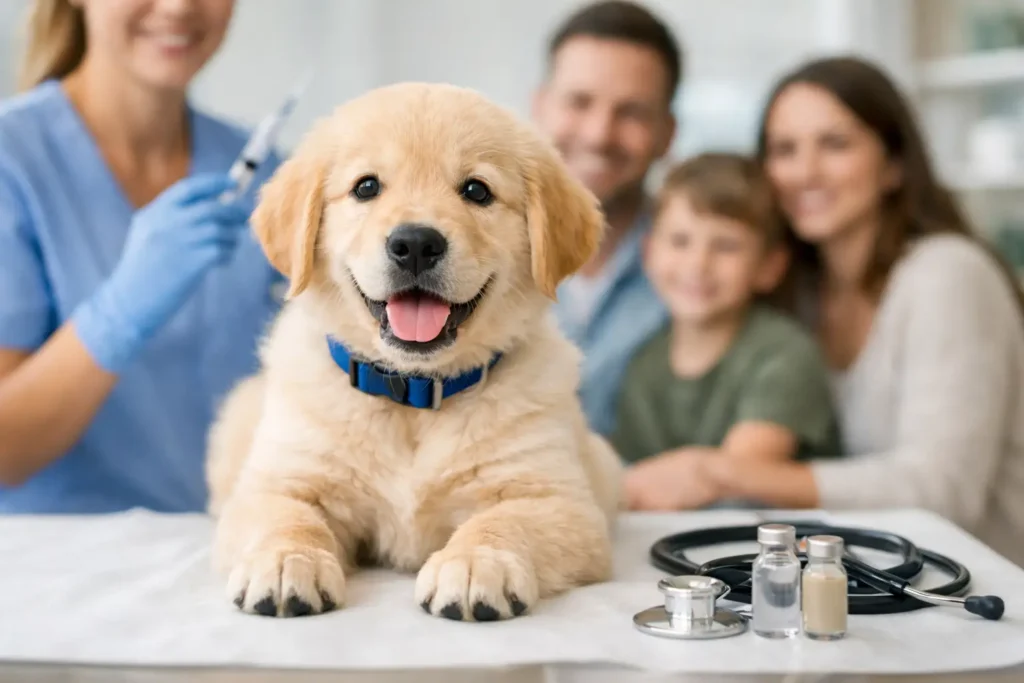
Bringing home a puppy should feel exciting, not uncertain. One of the clearest vaccinated puppy benefits is the reassurance that your new family member has started life with protection against several serious, preventable diseases. For families choosing a puppy, vaccination records are more than paperwork. They are a practical sign that the puppy has received early veterinary attention and that you have a clearer plan for the weeks ahead.
A vaccine does not make a puppy instantly protected from every illness, and it does not replace good hygiene, nutrition, or veterinary care. But it is a major part of giving a young dog the safest possible beginning. Whether you are preparing for a playful Poodle, a gentle Shih Tzu, an energetic Corgi, or another companion breed, understanding the value of vaccination helps you make a confident, responsible decision.
Why Vaccinated Puppy Benefits Matter From Day One
Puppies are born with developing immune systems. In their earliest weeks, they may receive some temporary protection through their mother, but that protection fades and varies from puppy to puppy. Vaccinations help train the immune system to recognize specific infectious diseases before a real exposure happens.
Core puppy vaccines commonly protect against serious illnesses such as canine parvovirus, canine distemper, adenovirus, and parainfluenza. Depending on your veterinarian’s advice, a puppy may also need protection against conditions such as leptospirosis, kennel cough, or rabies. Recommendations can vary based on where you live, your puppy’s age, lifestyle, travel plans, and contact with other dogs.
The immediate benefit for a new owner is clarity. When a puppy comes with documented vaccination and health information, you know what has already been done and what still needs to be scheduled. That makes it easier to continue care with your own veterinarian without guessing about dates or repeating vaccines unnecessarily.
A Safer Start at Home and in the Community
A young puppy naturally wants to explore everything: the floor, garden, shoes, visitors, other pets, and every interesting smell outside. That curiosity is part of growing up, but it also creates opportunities for exposure to germs. Parvovirus, for example, can spread through contaminated feces and environments and may remain present in areas where infected dogs have been.
Vaccination lowers the risk of severe disease, particularly when the full series is completed on schedule. It also supports safer daily routines for your household. Families with children can focus more on building positive habits, gentle handling, feeding routines, and training rather than constantly worrying about an avoidable illness.
This does not mean a partially vaccinated puppy can immediately visit every dog park, pet event, or busy grooming facility. Puppies usually need a series of vaccines over several months, because early maternal antibodies can interfere with the first doses. Your veterinarian can tell you when it is appropriate for your puppy to explore higher-risk public spaces.
Until then, socialization should not stop completely. You can carry your puppy in safe public places, invite healthy and fully vaccinated dogs to meet in a clean home, practice car rides, introduce household sounds, and let your puppy experience the world in controlled ways. The goal is to protect health while still building confidence during an important learning stage.
Protection That Helps the Whole Household
Choosing a vaccinated puppy is not only about the puppy. It can reduce stress for everyone who will care for the dog. Illness in a young puppy can be emotionally difficult and may require isolation, repeated veterinary visits, intensive treatment, and time away from work or family responsibilities.
Preventive care is generally more manageable than emergency care. Although vaccination is an upfront cost and follow-up appointments are necessary, it is usually far less costly than treating a severe infectious disease. More importantly, prevention gives your puppy a better chance to spend its early months doing what puppies should do: eating well, sleeping deeply, learning boundaries, and bonding with its people.
For homes with another dog, proper vaccination also matters for the resident pet. An older dog with current vaccines is not guaranteed to be protected from every possible infection, but keeping both dogs on veterinarian-recommended schedules reduces unnecessary risk. Before introductions, ask your veterinarian about your new puppy’s records and any precautions that fit your household.
Health Records Build Trust When Choosing a Puppy
When you are searching for puppies for sale, a cute photo alone should never be the deciding factor. Ask to see the puppy’s vaccination record and health information. A responsible seller should be ready to explain the puppy’s current age, vaccines already received, deworming history, health checks, and the next recommended veterinary visit.
Clear records allow you to continue the schedule accurately. They also show that early care has been treated seriously. At Pet Time, families can review available health and vaccination documentation so they can better understand their puppy’s care history before taking the next step.
A useful record should include the vaccination date, the type of vaccine given, and details from the veterinarian or clinic where applicable. Keep these documents in a safe place, take a clear photo for backup, and bring them to every future veterinary appointment. Your veterinarian will use them to create a schedule tailored to your puppy.
Be careful of vague promises such as “vaccine done” with no written proof or explanation. It is reasonable to ask questions. A trustworthy puppy seller will welcome them, because a well-informed owner is better prepared to care for the puppy long after the first day home.
Vaccination Is One Part of Responsible Puppy Care
The benefits of a vaccinated puppy are strongest when vaccination is paired with everyday care. A puppy still needs clean water, age-appropriate food, a safe sleeping area, parasite prevention recommended by a veterinarian, and patient training. Regular grooming, especially for long-coated breeds, also helps owners notice changes in the skin, ears, eyes, or coat early.
Your first veterinary visit after bringing your puppy home is a good time to discuss the complete picture. Ask about the remaining vaccine series, deworming, flea and tick prevention, feeding amounts, microchipping, spaying or neutering timing, and signs that require urgent attention. Symptoms such as repeated vomiting, bloody diarrhea, extreme tiredness, difficulty breathing, refusal to eat, or sudden weakness should never be ignored in a young puppy.
Lifestyle makes a difference too. A puppy living in a high-rise apartment with limited dog contact may have different risk factors than one joining a busy household with several dogs, frequent boarding, or outdoor adventures. Your veterinarian can help you make decisions based on your real routine rather than a one-size-fits-all plan.
Questions New Owners Often Ask
Can a vaccinated puppy still get sick?
Yes. No vaccine offers perfect protection, and a puppy may not be fully protected until its complete series is finished and enough time has passed for the immune response to develop. Vaccination significantly reduces risk and often reduces disease severity, but owners should still watch for symptoms and follow veterinary advice.
When can my puppy go for walks outside?
The answer depends on your puppy’s vaccine schedule and the disease risk in your local area. Many veterinarians advise avoiding public ground used by unknown dogs until the vaccine series is complete. In the meantime, safe socialization can happen through supervised home visits, clean private spaces, and being carried outdoors.
Do I still need a veterinarian if my puppy has vaccination records?
Absolutely. The records are the starting point, not the finish line. Your own veterinarian should examine your puppy soon after arrival, confirm the schedule, and guide you on future preventive care.
A vaccinated puppy gives your family a stronger foundation, but the best protection continues with the choices you make after bringing your new companion home. Keep the records close, attend the recommended appointments, and give your puppy a calm, loving place to grow. Those small, steady actions are how a healthy puppy becomes a happy member of the family.