
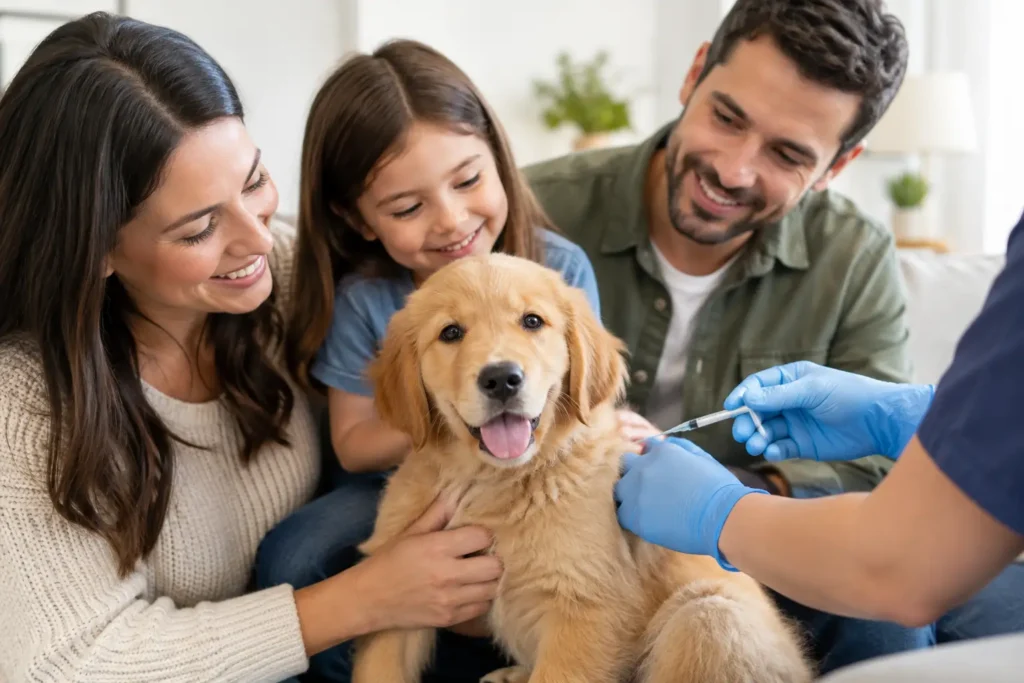
A puppy may look perfectly healthy while still being vulnerable to illnesses that spread quickly between dogs. So, are vaccinated puppies safer? In most cases, yes. Vaccination is one of the strongest protections a young puppy can have, especially before joining a new family, meeting neighborhood dogs, or visiting grooming and boarding facilities.
For families looking for puppies for sale in Malaysia, vaccination should never be treated as a small extra. It is part of responsible early care. Still, a vaccinated puppy is not automatically protected from every disease on day one. Knowing what the vaccine record means, what questions to ask, and what care is still needed at home helps you make a safer, more confident choice.
Are Vaccinated Puppies Safer Than Unvaccinated Puppies?
Vaccinated puppies are generally safer because vaccines train the immune system to recognize and fight certain serious diseases. These illnesses can be expensive to treat, distressing for families, and in some cases life-threatening for young dogs.
Core puppy vaccinations commonly protect against parvovirus, canine distemper, adenovirus, and parainfluenza. Depending on the puppy’s lifestyle and your veterinarian’s advice, other vaccines may also be recommended, such as rabies, leptospirosis, or Bordetella for dogs likely to spend time around other dogs.
Parvovirus is a major concern for puppies because it can spread through contaminated environments and may cause severe vomiting, diarrhea, dehydration, and rapid illness. Distemper can affect the respiratory, digestive, and nervous systems. A puppy with a proper vaccination schedule has a far better chance of avoiding these diseases or experiencing less severe illness if exposed.
That said, vaccination lowers risk. It does not erase it completely. No responsible pet shop or breeder should promise that a puppy will never get sick. The safer choice is a puppy that has received age-appropriate vaccines, been health checked, and comes with clear documentation for you and your veterinarian to review.
Why a Full Vaccine Schedule Matters
Puppies need more than one vaccine appointment. Their early protection is complicated by antibodies received from their mother. Those maternal antibodies are helpful at first, but they can also interfere with a vaccine before the puppy’s own immune system is ready to respond fully.
That is why veterinarians usually give a series of puppy vaccinations over several weeks. A puppy may receive its first vaccine before going to a new home, then need follow-up doses at specific ages. The exact schedule depends on the puppy’s age, previous vaccinations, local veterinary guidance, and health status.
A first vaccine is a great start, but it should not be mistaken for complete protection. If a seller says a puppy is vaccinated, ask which vaccine was given, on what date, and when the next dose is due. A trustworthy answer should be supported by a vaccination card or veterinary record, not just a verbal assurance.
For first-time owners, this is one of the most useful habits to start immediately: book the puppy’s first visit with your own veterinarian soon after bringing them home. Bring every health and vaccination record with you. Your veterinarian can confirm the next steps and build a schedule that fits your puppy.
What to Check Before Bringing Home a Vaccinated Puppy
A vaccine record is valuable only when it is clear and traceable. When viewing a puppy, take time to look beyond the cute face and playful personality. A healthy beginning involves documentation, cleanliness, behavior, and honest communication.
Ask to see the puppy’s vaccination record and veterinary health information. The record should show the puppy’s identification details, the date of vaccination, and the vaccine information. You should also understand whether deworming has been completed and whether another session is due.
Observe the puppy in person where possible. Healthy puppies are often bright, alert, and interested in their surroundings, although some may be sleepy after playtime. Their eyes should look clear, their nose should not have heavy discharge, and their coat and rear area should appear clean. Watch how the puppy walks and interacts. Extreme lethargy, persistent coughing, repeated sneezing, vomiting, diarrhea, or poor appetite should be discussed openly before you make a decision.
The environment matters too. A clean, well-managed setting reduces unnecessary exposure to infection. Puppies should have access to fresh water, appropriate food, clean bedding, and sensible separation from sick animals. Responsible sellers are willing to explain their care routines instead of rushing you into a decision.
At Pet Time, families can view puppies, review available health documentation, and ask practical questions before taking the next step. That face-to-face reassurance can be especially helpful when you are choosing your first companion dog.
Vaccines Do Not Replace Care at Home
Even after a puppy has started vaccinations, the first few months require thoughtful management. Until the vaccine series is complete and your veterinarian confirms it is safe, avoid high-risk places where many unknown dogs may have been. This can include dog parks, shared pet relief areas, or spaces with visible animal waste.
This does not mean your puppy must miss out on socialization. The early months are an important time to introduce gentle sounds, people, household routines, car rides, grooming tools, and safe handling. The goal is controlled exposure, not isolation.
Invite healthy, fully vaccinated dogs you know well for calm introductions. Carry your puppy in busy areas when appropriate, rather than placing them on potentially contaminated ground. Start positive crate training, brushing, leash practice, and short, happy handling sessions at home. These experiences help create a confident adult dog while you protect a developing immune system.
Good nutrition, clean water, enough sleep, parasite control, and low-stress routines also support your puppy’s overall health. A vaccine works with the body’s immune system, so the basics of daily care still matter.
Be Careful With “Fully Vaccinated” Claims
The phrase “fully vaccinated” can be confusing because it depends on the puppy’s age and the vaccines received. A very young puppy may be appropriately vaccinated for its stage of life while still needing later boosters. That does not mean the seller has done anything wrong. It simply means the puppy’s care plan is still in progress.
The better question is not only, “Has this puppy been vaccinated?” Ask, “Which vaccines has this puppy received, what protection do they provide, and what is due next?” A professional seller should welcome that conversation.
Also remember that every puppy is an individual. A veterinarian may adjust timing when a puppy is unwell, underweight, recovering from an illness, or has an uncertain medical history. Never skip or delay follow-up vaccines without discussing it with a veterinarian, even if your puppy appears energetic and healthy.
A Safer Start for the Whole Family
Vaccination protects more than your puppy. It can help reduce the spread of contagious diseases to other dogs in your home, your friends’ pets, and the wider pet community. For families with another dog, especially a senior dog or one with health concerns, bringing home a properly vaccinated and health-checked puppy is a thoughtful decision.
There is also a practical benefit: clear vaccine records make future care easier. Your veterinarian can see what has already been given, groomers may request proof of vaccination, and boarding facilities often have their own health requirements. Keeping your puppy’s records organized from the start saves stress later.
When comparing puppies for sale, do not choose based on breed, color, or price alone. Whether you are considering a Poodle, Corgi, Golden Retriever, French Bulldog, Shih Tzu, or another companion breed, ask about health care with the same care you would use for any new family member. A lower upfront price is rarely a good value if important health checks and documentation are missing.
When to Call a Veterinarian
Vaccines are generally safe, but mild tiredness, soreness at the injection site, or a temporary lower appetite can happen after vaccination. These signs often pass quickly. Contact a veterinarian promptly if your puppy has facial swelling, breathing difficulty, repeated vomiting, collapse, severe weakness, or symptoms that worry you.
You should also seek veterinary advice if your puppy develops diarrhea, vomiting, coughing, eye or nose discharge, refuses food, or becomes unusually quiet. Young puppies can become dehydrated and unwell faster than adult dogs. Early attention is always kinder and often simpler than waiting.
The best first step is not simply finding a puppy that has had a vaccine. It is choosing a puppy whose early care has been handled responsibly, whose records are available, and whose next health steps are clear. That gives your new companion the safer start they deserve and gives your family more time to enjoy the happy moments ahead.